PP Recycling Services for Commercial Operations


Polypropylene (PP), identified by the quantity 5 resin code, serves as a backbone for numerous industries. From automotive parts and textiles to food presentation and firm delivery crates, this adaptable plastic is common available sector. But, for company leaders and ability managers, handling PP Recycling is no more merely a subject of removal; it's a strategic prerequisite involving complex logistics and financial opportunity.
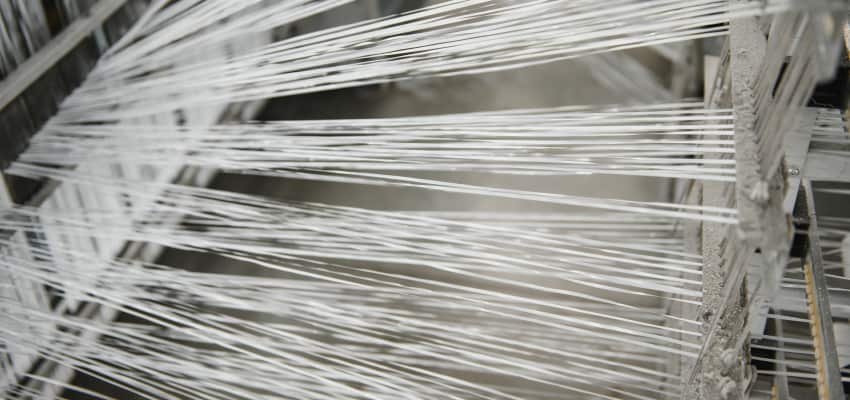
Moving from a linear "take-make-waste" design to a circular economy needs a deep knowledge of how specialized recycling services operate.
What's the existing degree of the plastic waste problem?
Data shows that the commercial and commercial industries are significant contributors to international plastic generation. While Polypropylene is one of the most made plastics worldwide—next simply to Polyethylene—recycling prices have historically lagged.
Industry studies declare that significantly less than 10% of plastic ever produced has been recycled. For professional operations, that statistic shows a huge inefficiency. An incredible number of a great deal of important PP product result in landfills or incinerators annually, addressing a loss of money and resources. Committed PP recycling companies for professional procedures try to close that hole by acquiring high-volume, post-industrial scrap before it leaves the economic loop.
How can industrial PP recycling solutions work?
Unlike municipal recycling, which grips commingled home spend, commercial recycling centers on quantity and purity. The procedure typically follows a rigorous framework:
1. Selection and Divorce: Solutions use particular containment items to features to make certain PP is kept split up from other polymers like PET or HDPE. Cross-contamination significantly devalues the load.
2. Densification: Loose parts (like films or strapping) tend to be baled or compacted on-site to lessen transfer costs.
3. Granulation and Cleaning: Upon arrival at a handling service, the product is shredded into flakes and strongly rinsed to eliminate labels, dust, or industrial residues.
4. Extrusion: The clean flakes are dissolved down and extruded into pellets. These pellets serve as fresh substance for production new crates, automotive components, or outdoor furniture.
What are the economic benefits of focused recycling applications?
The economics of waste administration are shifting. Traditionally, corporations paid an appartment rate to possess waste hauled to landfills. However, with increasing tipping fees and landfill taxes in lots of jurisdictions, removal is now increasingly expensive.

Applying a PP recycling program flicks this dynamic. Top quality, uncontaminated Polypropylene scrap is a commodity. Recycling lovers frequently provide rebates for baled substance, turning a price center (waste disposal) into a possible revenue stream. More over, diverting a great deal of major plastic from normal spend streams significantly reduces the weight-based fees associated with standard dumpster hauling.
Why is "closed-loop" recycling learning to be a common?
Corporate sustainability confirming is currently data-driven. Stakeholders involve cement proof environmental governance. Applying PP recycling services enables organizations to record specific metrics: tonnage diverted from landfills, carbon footprint savings, and percentage of recycled material found in new products.
By reintegrating their own waste right back into their offer chain—or ensuring it re-enters the market as high-grade recyclate—businesses protect themselves against raw product cost volatility. A strong recycling technique ensures that the material value of Polypropylene is maintained, promoting both underneath point and the environment.